

Understanding Booking Points on bwin Explained
Discover how booking points in bwin influence your betting tactics and winnings. Get practical tips to manage points well and boost your game plan on this leading platform ⚽💰
Mite bwin, often overlooked, is a common pest problem affecting homes and businesses in Nigeria. These tiny mites are invisible to the naked eye, but their presence can cause serious discomfort and damage if left unchecked.
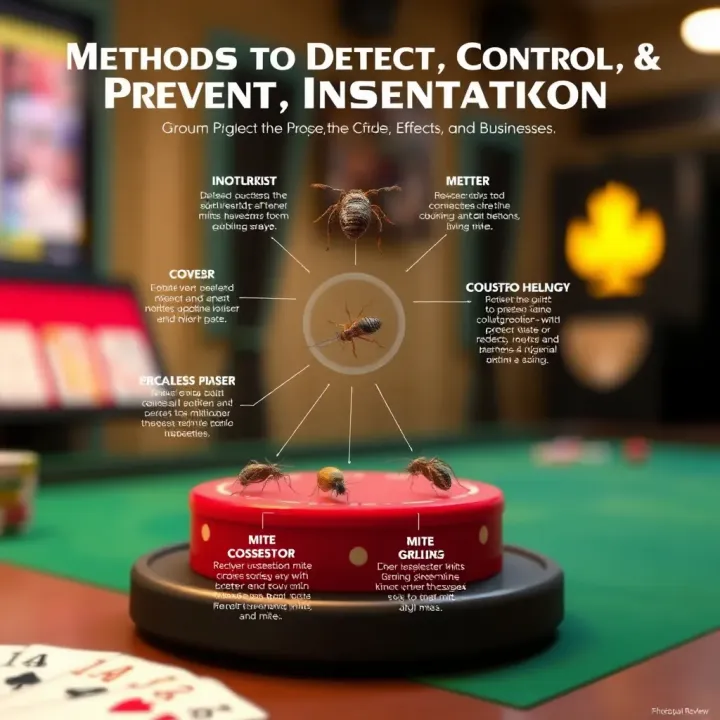
Mite bwin are minute arachnids that thrive in warm, humid environments—conditions typical in many parts of Nigeria, especially during the ember months. They tend to gather in dusty corners, bedding, upholstery, and even food storage areas, feeding on organic matter or sometimes human skin cells.
Infestations usually start when mites hitch a ride on imported second-hand items like furniture or clothes (tokunbo goods), or when dust and debris accumulate without regular cleaning. Poor ventilation and high humidity in offices, hostels, or market stalls create perfect breeding grounds. For example, a cluttered barbing salon with limited airflow could quickly turn into a mite hotspot.
In households, mite bwin bites cause itching, skin irritation, and sometimes allergic reactions that can affect sleep and daily routines. For businesses, particularly those in hospitality or food services, infestations can lead to customer complaints, loss of reputation, and even health inspections failure.
Effectively managing mite bwin is not only about comfort but also a step towards maintaining health standards that protect your family and business.
Watch out for tiny red or brown dots moving on surfaces.
Notice unexplained itchiness or skin rash among residents or staff.
Check dusty or rarely cleaned spots, especially fabrics and corners, with a magnifying glass.
Use sticky tape to capture samples for closer inspection.
While mites are tiny, regular observation and quick action help prevent full-blown infestations.
Maintain regular cleaning routines with vacuuming and dusting, particularly in humid areas.
Improve ventilation to lower indoor humidity, using fans or air conditioners during peak warm seasons.
Avoid clutter that traps dust and moisture.
Inspect any second-hand items before bringing them indoors.
Consider using natural deterrents like neem oil or diatomaceous earth for safe, local control.
Taking these measures can drastically reduce mite bwin presence and protect your environment.
This understanding lays the groundwork for deeper insights into mite bwin management suitable for both homes and businesses, especially in the Nigerian setting.
Understanding what mite bwin is and recognising its traits matter a lot for households and workplaces in Nigeria. This knowledge helps in spotting infestations early and responding quickly, preventing costly damage and health issues. For instance, an entrepreneur running a small food business in Lagos can suffer losses if mite bwin damages stored products. Knowing these pests’ behaviour and traits enables effective control and protection strategies.
Mite bwin refers to a group of tiny, often microscopic arachnids that cause nuisance by infesting homes, offices, and other environments. They feed on organic matter such as dead skin, food crumbs, and even fabric fibres. Although invisible to the naked eye in many cases, their presence is usually noticed through bites, allergic reactions, or damage to household goods. In many Nigerian homes, mite bwin is especially problematic in humid areas where cleanliness is inconsistent, common during the ember months when dust and moisture levels rise.
Several species fall under mite bwin, with the dust mite (Dermatophagoides pteronyssinus) and the storage mite (Tyrophagus putrescentiae) being the most common in Nigerian settings. Dust mites thrive in bedding and upholstery, often triggering allergies and asthma. Storage mites tend to infest grains, flour, and dried food kept in poorly sealed containers, causing both food spoilage and health risks. Recognising these species helps homeowners and businesses focus control measures where they matter most.
Mite bwin follows a rapid lifecycle that allows populations to increase fast under suitable conditions. Typically, mites hatch from eggs laid in warm, damp locations, growing through several larval and nymph stages before reaching adulthood. This whole process might last just two to four weeks. Since mites breed quickly, an unchecked infestation can become severe in a matter of weeks, especially in homes with poor ventilation or constant moisture.
Mite bwin prefers warm and humid places. In Nigerian homes, common hotspots include mattresses, sofas, carpet fibres, and damp kitchens. Workplaces with stores of food products, like bakeries or supermarkets, are also vulnerable. For example, a small bakery in Ibadan storing flour without airtight packaging can face serious infestations. Preventing these environments from becoming breeding grounds is key to controlling mite bwin effectively.
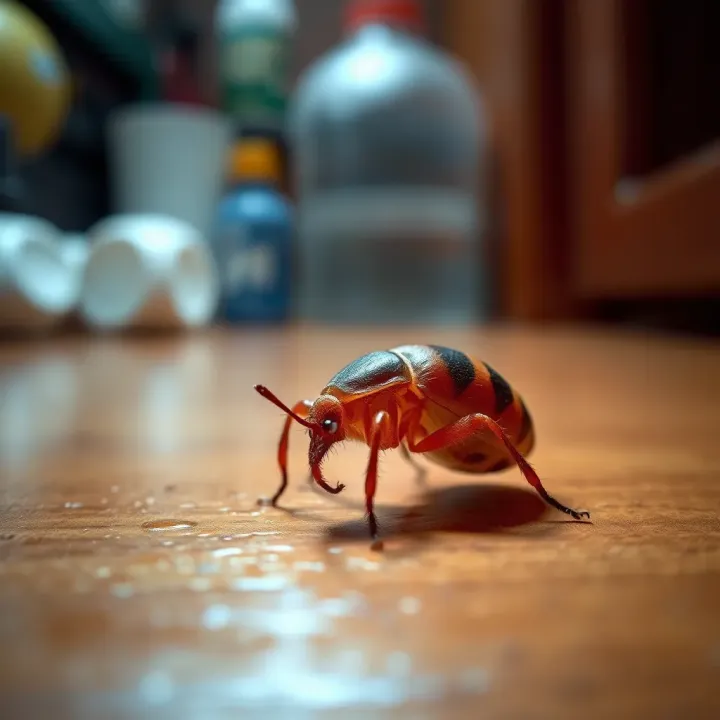
Keeping your environment clean and dry is the best way to stop mite bwin from taking root. Regular airing, wiping surfaces, and controlling humidity can make all the difference in Nigerian homes and workspaces.
Common mite bwin habitats:
Mattresses and pillows
Carpets and curtains
Flour and grain storage
Damp corners and poorly ventilated rooms
Lifecycle highlights:
Egg
Larva
Nymph(s)
Adult
By understanding mite bwin’s nature and where it thrives, you’re better positioned to prevent and manage infestations before they cause trouble.
Understanding what draws mite bwin to your environment helps you anticipate and prevent infestations before they get out of hand. This section focuses on the main triggers behind mite bwin presence and the risks they bring, particularly in Nigerian homes and workplaces where climate and sanitation vary.
Mite bwin thrives in warm, humid conditions common in many parts of Nigeria. Take Lagos, for example, where the coastal humidity and frequent rainfall create a perfect breeding ground. These conditions allow mites to multiply rapidly in hidden corners, under carpets, or in damp areas of buildings. Enclosed spaces with poor airflow also encourage their growth, as stagnant air traps moisture and warmth.
Ventilation is key. Without enough airflow, dust and organic debris accumulate, providing food sources for mite populations. Buildings near waste dumps or with exposed refuse increase the risks, as these places attract mites looking for sustenance.
Poor sanitation—think of waste piling up outside flats or blocked drainage channels—creates ideal spots for mite buildup. In many Nigerian urban areas, improper waste disposal near homes invites pests, including mites, which then infiltrate living spaces. Likewise, moisture from leaking pipes or flooded basements encourages their survival because mites need humidity to live.
Regular water spillage and damp walls often go unnoticed but can lead to severe mite problems. In offices or shops, where cleaning is often inconsistent, dust, crumbs, and moisture are enough to support mite populations, especially in humidity-prone seasons like the ember months.
Mite bwin doesn't just damage property; it also causes health issues, particularly allergies. For sensitive individuals, exposure can trigger sneezing, skin irritation, and even asthma attacks. In Nigerian households with children or elderly members, this can escalate to serious respiratory problems.
Unlike mosquitoes, mites often go unnoticed. However, their bites cause itching rashes, disturbing sleep and reducing overall well-being. In workplaces, continuous exposure may reduce productivity as staff grapple with allergic reactions.
If left unchecked, mite infestations can worsen air quality indoors, worsening health and comfort.
Mite bwin can ruin household items like mattresses, curtains, and clothing. The mites feed on dead skin cells and organic debris found in fabrics and upholstery, gradually compromising material integrity. Over time, this leads to holes or worn-out textures, making repairs or replacements necessary—something homeowners often overlook until the damage is severe.
For offices and businesses, damaged office chairs, carpets, and paper documents are not uncommon. Structural damage is less direct but possible when mites contribute to mould growth by retaining moisture. This can weaken walls or wooden fittings, resulting in costly maintenance.
Understanding these causes and risks equips you to act early and safeguard both health and property from the effects of mite bwin infestations.
Spotting mite bwin infestations early is essential for preventing long-term damage and health issues in both homes and workplaces. Mite bwin often goes unnoticed because the signs can be subtle, especially in busy environments like offices or bustling family homes. Knowing what to look out for can save you from costly repairs and reduce the risk of allergies among occupants.
Physical indicators to watch out for usually include small patches of discoloured dust or fine debris on furniture and corners of rooms, often mistaken for regular dirt. You might also notice tiny moving specks upon close inspection, especially around damp areas or fabric surfaces. A persistent musty smell or unexplained itching on the skin when in certain rooms could also hint at mites.
Common affected areas in Nigerian homes tend to be spots where moisture lingers or clutter accumulates. For example, under sinks in kitchens and bathrooms, behind cupboards, and in poorly ventilated basements or storerooms where dampness supports mite growth. Fabrics like curtains, mattresses, and upholstery, especially those rarely cleaned, also provide ideal habitats. In Lagos or other humid parts of the country, poorly aired flats see more infestations compared to dry, well-ventilated ones.
DIY inspection methods are practical for homeowners and small business owners to spot mite bwin without immediate professional help. Using a magnifying glass can help identify tiny moving creatures on suspected surfaces. Flashlights directed at cracks and crevices could reveal clusters lurking in shadowy corners. Keeping a simple checklist of damp spots, dust accumulation, and visible signs can also guide regular monitoring.
Professional pest control assessment is advisable when DIY efforts don't clarify the extent of infestation or when the problem seems widespread. Experts use specialised tools such as moisture meters and UV light devices to detect mites more accurately and evaluate affected areas. They can also sample dust for lab analysis to confirm the species involved. Engaging certified pest controllers ensures treatment strategies align with local standards and effectively reduce mite populations.
Early and accurate identification of mite bwin is the first step towards a healthier living or working environment. Tackling infestations promptly reduces health risks and keeps property in good shape, saving you money and stress in the long run.
Maintaining vigilance with routine inspections in typical trouble spots will keep mite bwin at bay, especially during Nigeria’s humid seasons when infestations rise. Whether at home or the office, combining simple detection efforts with professional advice gives the best chance to stay ahead of these tiny pests.
Managing mite bwin infestations effectively requires a blend of practical strategies tailored to the specific living or working environment. Taking prompt action helps reduce health risks and protects property from damage. For young professionals and entrepreneurs balancing busy schedules, knowing solid control methods means cutting down downtime and avoiding costly repairs.
Pesticides registered with regulatory bodies remain one of the most straightforward methods to tackle mite bwin infestations. These chemicals are formulated to target mites while minimizing harm to humans and pets when applied correctly. For example, a well-known pesticide like Permethrin-based sprays can be safely used on furniture and carpets where mite bwin are common. However, it's vital to follow instructions strictly, as misuse could lead to resistance or health problems.
Before applying pesticides, clear the targeted area of food and children’s toys. Good ventilation is necessary during and after spraying. Such measures ensure you get the practical benefits of fast and efficient elimination, with only minimal disruption to daily life.
Many prefer natural methods to reduce chemical exposure and costs. Household remedies include using neem oil sprays, which act as a deterrent to mite buildup. Diatomaceous earth, a fine powder, is effective in dehydrating mites by damaging their exoskeletons. Simply sprinkling it around suspected infestation zones like sofas and corners can reduce numbers over time.
Home remedies are usually safer to use frequently and can support regular cleaning routines. For instance, washing bedding and curtains with hot water above 60°C kills mites directly. While these methods might not fully eradicate a severe infestation, they help manage early signs and maintain a mite-unfriendly environment.
Professional pest control becomes necessary when infestations persist despite home treatments or when the scale is too large to handle alone. Also, if family members suffer allergic reactions affecting their health, getting expert advice is safer. Professionals have access to industrial-strength solutions and equipment like specialised steamers and foggers that penetrate deep into hidden places.
Complex buildings with multiple floors or shared workspace environments often require expert intervention. For example, in offices or banks with expensive equipment and sensitive documents, improper pesticide use can cause damage, making professional services more suitable.
Hiring professional services in Nigeria typically ranges between ₦20,000 to ₦100,000 depending on infestation size and treatment complexity. Some companies offer one-time treatment packages, while others provide follow-up visits for ongoing maintenance. The approach involves initial inspection, customised treatment planning, and post-treatment evaluation.
Costs may seem high but considering the reduction in health risk, prevention of property damage, and assurance of thorough eradication, professional help often proves cost-effective. Always request detailed quotes and ensure the company uses approved products and experienced technicians.
Managing mite bwin is about combining effective control with ongoing prevention. Knowing when and how to act keeps your home or workplace safe and comfortable.
Preventing mite bwin infestations plays a vital role in safeguarding Nigerian homes and workplaces. Considering the country's tropical climate, which encourages high humidity and moisture, these pests find ideal breeding grounds. Taking proactive measures reduces health risks like allergies and protects property from damage, ultimately saving time and resources on pest control efforts.
Regular cleaning routines remain the frontline defence against mite bwin. In busy Lagos households or office spaces, dust and debris often accumulate under furniture or around cluttered corners, creating havens for these mites. Sweeping, vacuuming, and wiping surfaces with disinfectants at least twice a week can limit their spread. Even in shared spaces like offices and hostels, consistent cleaning disrupts the environment mites thrive in, reducing their population significantly.
Controlling humidity and ventilation is equally essential. Many Nigerian homes struggle with damp rooms during the rainy season, making humidity a perfect ticket for mite survival. Installing extractor fans in kitchens and bathrooms or opening windows during dry periods helps air circulate, lowering moisture levels. For places like Abuja or Jos with cooler nights, ensuring roofs do not leak and walls aren’t prone to mould prevents conducive conditions for mite buildup. Using a dehumidifier in areas with persistent dampness also proves a practical solution.
Managing waste to reduce attraction acts as a deterrent to mite bwin and other pests. Food leftovers, especially from local open markets or mama puts, should be disposed of promptly and securely to avoid creating breeding spots. In cities like Port Harcourt, improper waste management often leads to cluttered refuse heaps near residences, which attracts pests. Regularly emptying bins, using covered containers, and participating in community waste collection efforts can curb infestations effectively.
Upkeep of structural integrity to prevent entry keeps mite bwin outside your home. Cracks in walls, gaps around window frames, or damaged door seals serve as easy entry points. In Nigerian homes built with concrete blocks, it’s common to find porous surfaces that harbour moisture and offer hiding spots. Frequent checks and repairs—such as sealing crevices with cement or weather stripping doors and windows—protect homes from mite infiltration. Moreover, ensuring roofing sheets are intact and gutters functional prevents water pooling, which otherwise supports mite growth.
Consistent prevention efforts in cleaning, moisture control, waste management, and home repairs form the backbone of keeping mite bwin out of Nigerian spaces. These measures, though simple, yield lasting peace of mind and healthier environments for families and workers alike.
Discover how booking points in bwin influence your betting tactics and winnings. Get practical tips to manage points well and boost your game plan on this leading platform ⚽💰

Discover how bwin Prize Matcher helps Nigerian bettors boost winnings 💰 with easy tips and smart strategies. Get the best value from your bets today!

🎯 Discover how to access and use Bwin booking codes on Telegram to boost your betting game in Nigeria. Learn safe tricks, legal tips, and how to spot reliable sources!

Discover the 0700 Bwin 8328 number’s uses📞, how it’s part of Nigeria’s services🇳🇬, plus tips for safely handling calls to avoid scams🚫.
Based on 12 reviews